
What is
Eutierria Therapy?
A Framework for Healing People and the Planet
Moving from the exhaustion of ecological alienation to the peace of radical belonging.

What is Eutierria Therapy?
Eutierria Therapy is an anti-colonial, ecopsychosomatic, land-based therapeutic framework designed to shift human identity from ecological alienation (feeling isolated, burnt out, and separate from the world) to radical belonging—a felt, cellular sense of oneness with the Earth’s life forces.
Eutierria (yoo-tee-AIR-ee-uh): A profound, felt sense of oneness with the Earth and its life forces, where the boundary between the self and the natural world dissolves into a deep state of peace and interconnectedness.
The Transformation Equation: Mapping the Journey

This formula maps the transformation from systemic survival to ecological sovereignty. On the left, our Somatic Practice continuously weaves our suppressed personal & ecological longings (l) and systemic strain (P_conv, internal) through The 13 Scutes ( ∑S_i ). Over time, this acts as an alchemical Catalyst—taking the raw weight of a sick world and metabolizing it into a Living Identity (A_strange) grounded in Unshakable Optimism (O), Tri-Fold Courage (C_3), Polyoptic Fluency (φ_individual), and the process of Becoming (B). Instead of collapsing in isolation, you emerge with the kinetic balance to maintain your unique medicine (D), build deep community & kinship (C), and freely circulate vital energy (•I) back into the world.
Experience It Yourself
Eutierria cannot be fully understood through theory alone. It is an embodied reality that must be lived and felt through the senses. If you’re ready to move out of systemic exhaustion and step into right relationship with the living world, I invite you to connect.
Breaking the “Glass Tank”:
From Isolated Ego to Porous Shell
Many of us are living inside a “Glass Tank Identity,” a rigid, transparent, but impenetrable barrier built by modern, extractive systems. Behind this glass, we feel perpetually isolated, hyper-vigilant, and exposed to relentless systemic burnout.
Eutierria Therapy provides the blueprint for breaking that glass and constructing a porous shell identity, an Earth-based identity.
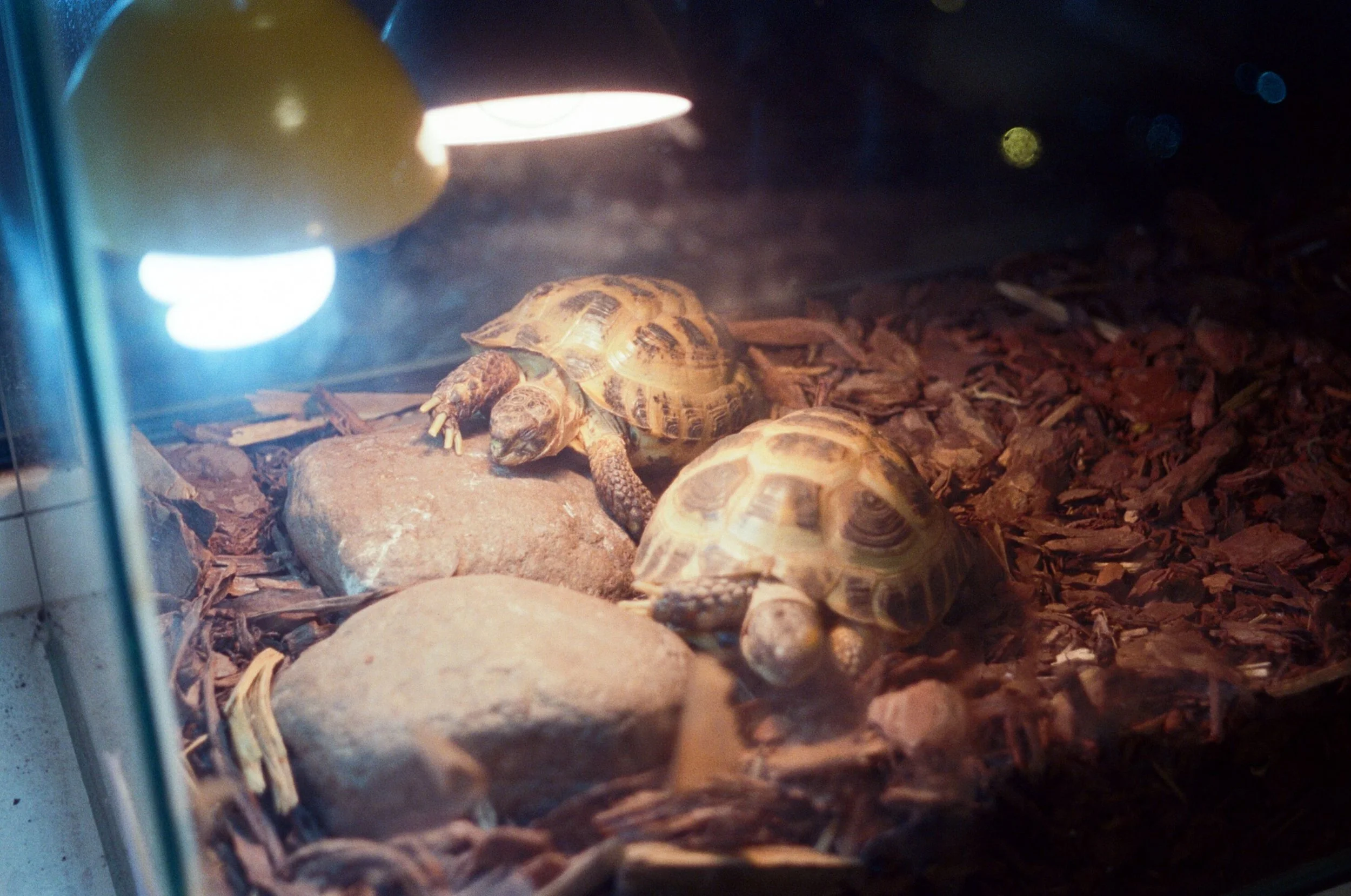
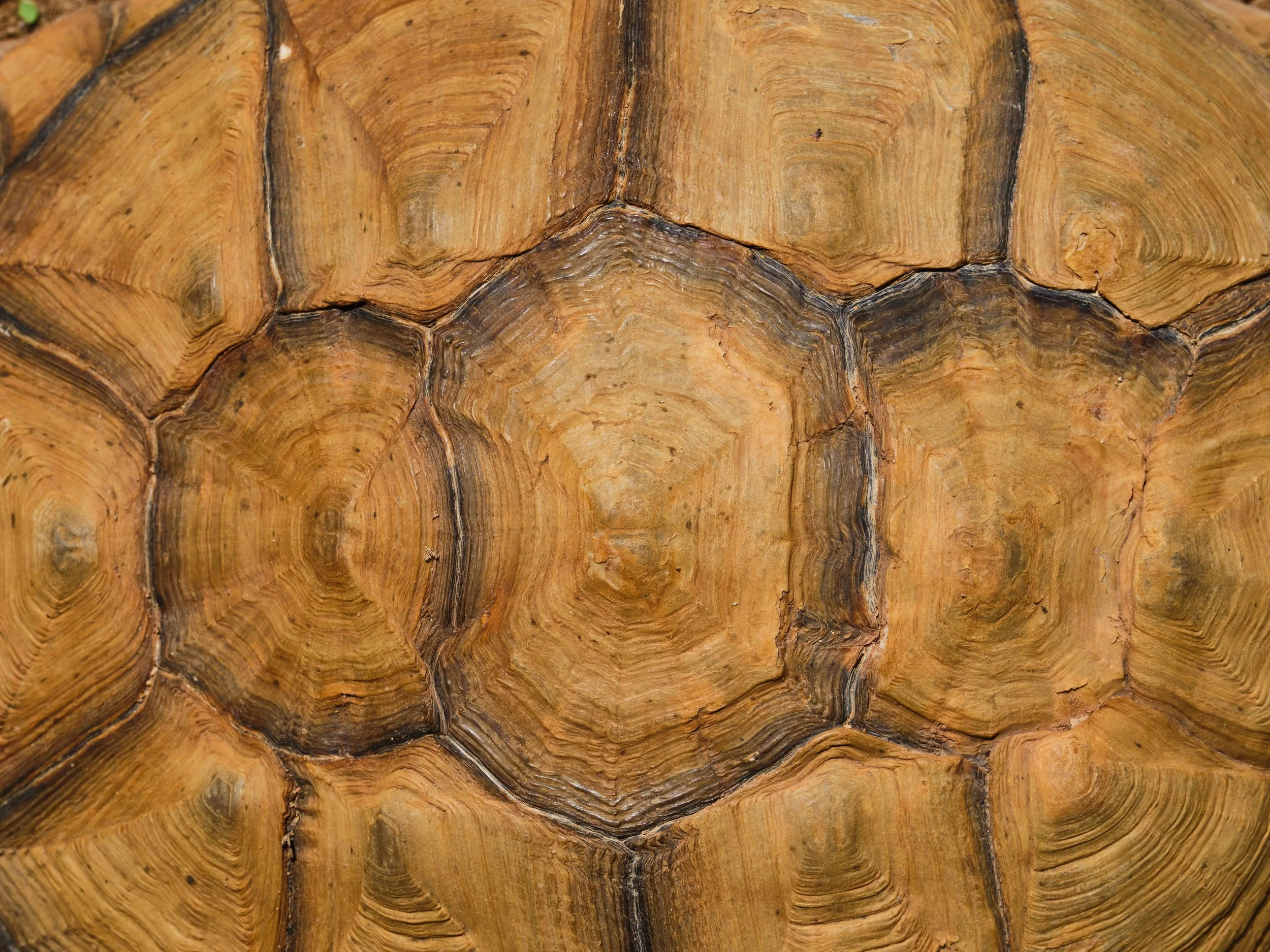
In biology, a scute (skoott) is one of the vascular keratin scales that forms a tortoise’s carapace. Unlike the cold, synthetic “armor” of the glass tank, a tortoise's shell is fused directly to its living bone and spine:
Sensitive: Filled with nerves and blood vessels, registering the subtle touch of sun, wind, and soil.
Absorbent: It breathes, absorbing nutrients, warmth, and environmental signals.
Integrative: It expands with growth, acting not as an isolating wall, but as a porous bridge between the creature and its home.
The 13 Scutes Framework is the blueprint for breaking that glass. These Scutes are 13 porous, vascular plates of an Earth-based identity. Together, they form an internal architecture that allows you to feel the world without being destroyed by it, moving you out of the glass tank and back into the living web of life.
The Blueprint of the Porous Self:
Navigating the 13 Scutes
Eutierria Therapy approaches the individual as a living participant within a vast, relational web. To engage with this web, we must cultivate a porous identity—a state of being that allows for the constant flow of connection. The 13 Scutes serve as the internal architecture for this expansion, guiding us through a specific sequence: re-authoring the narratives of the Mind, rooting back into the Earth-body, integrating with the Collective, and performing the Alchemical healing of our history.
-
Focus: Cognitive & Narrative
Cognitive and narrative restructuring. Deconstructing the lies of separation and re-authoring personal history as an ecological story.
Scute 1 — Aligning the Pulse (The Dual Mind)
Scute 2 — Re-Authoring the Self (Autohistoria)
Scute 3 — Cultivating Redemption Sequences
Scute 4 — Anchoring through Memory Specificity
-
Focus: Somatic & Spatial
Breaking the glass barrier through sensory immersion, location-based grounding and physiological recalibration.
Scute 5 — Dissolving the Skin-Boundary (Ecopsychosomatics)
Scute 6 — Place-Situated and Authentic Land-Engagement
-
Focus: Kinship & Communal integration
Repairing the “I/We” relationship by embedding identity within ancestral and cultural lineages, human communities, and non-human kin.
Scute 7 — Anchoring Identity in Communalidad (Communality)
Scute 8 — Expanding Role Repertoires (The Fluid Niche)
Scute 9 — Facilitating Intergenerational Reconnection
-
Focus: Decolonial Healing & Transformation
Metabolizing historical, ancestral, and ecological grief into radical endurance, creative power, and joyful survival.
Scute 10 — Processing Ecological Grief through Mnemotechnologies
Scute 11 — Harnessing Plastic Power and Sublimation
Scute 12 — Practicing Sobrevivencia (Survivance)
Scute 13 — Dismantling the Colonial Gaze
Paradigm Shift: Traditional Therapy vs. Eutierria Therapy
To understand how Eutierria Therapy operates, it helps to contrast its core mechanisms with standard clinical approaches:
| Clinical Dimension | Standard Western Therapy | Eutierria Therapy |
|---|---|---|
| Primary Goal | Strengthen the individual ego & cope with symptoms. | Dissolve the rigid ego-boundary into the living Earth. |
| Identity Narrative | "I am an isolated person in a hostile world." | "I am a localized expression of the planet." |
| Role of Nature | A scenic backdrop or tool for stress reduction. | An extension of one's own physical body; a living relational partner. |
| Core Mechanism | Cognitive, talk-based, 50-minute clinical sessions. | Sensory/somatic immersion, land stewardship, & active reciprocity. |
| View of Distress | Pathologized as an individual internal failure. | Understood as a natural protest against oppressive systems. |
The 13 Scutes: Detailed Framework
Below, we begin expanding on each Scute individually. Every Scute integrates clinical theory, somatic practice, and land-based wisdom.
Note: Cultural and indigenous terms include inline pronunciation guides and links to deeper research articles.
I. The Story of the Mind (M)
Focus: Cognitive & Narrative Restructuring
We start by deconstructing the lies of separation and re-authoring our personal history as an ecological one. In this stage, we clear the "glass" from our vision.
Scute 1: Aligning the Pulse (The Dual Mind) — Synchronize your conscious values with your automatic nervous system. This process bridges intellectual "knowing" with deep-seated subconscious habits. By aligning these two "minds," acting in harmony with the Earth moves from an effort of willpower to an identity-syntonic reflex. (Rooted in McGuire’s Identity-Based Environmental Education Model and Pong & Tam’s Relationship between Global Identity and Pro-environmental behavior).
Scute 2: Re-Authoring the Self (Autohistoria) — Reclaim the pen and re-author your life as an ecological history. Through Autohistoria (ahoo-toh-ees-TOH-ree-ah), we discard alienated colonial labels and weave our personal biographies into ancestral and geographic spaces, exercising the agency to define our own reality. (Rooted in Gloria Anzaldúa’s & Flores’s decolonial methodology of Autohistoria and Decena’s work on decolonizing the mind).
Scute 3: Cultivating Redemption Sequences — Transform your story of pain into a sequence of redemption and growth. Trauma often leaves us trapped in "contamination scripts" where we expect the worst. This scute focuses on the alchemical shift of re-authoring adversity as a catalyst for insight, unity, and psychological wholeness. (Rooted in Singer et al. Narrative Identity frameworks).
Scute 4: Anchoring through Memory Specificity — Anchor your mind in vivid, sensory details to clear the fog of trauma. Trauma induces overgeneralized memory as a defense mechanism. We practice recalling unique, detailed events—like the specific texture of a leaf—to lower emotional avoidance and ground the spirit in tangible reality. (Rooted in Singer et al. research on Overgeneralized Memory in Trauma).
II. The Body on the Earth (E)
Focus: Somatic & Spatial Reconnection
We move from the head to the body, breaking the glass barrier through sensory and geographical grounding. This stage reminds us that we are physically bound to the rhythms of the planet.
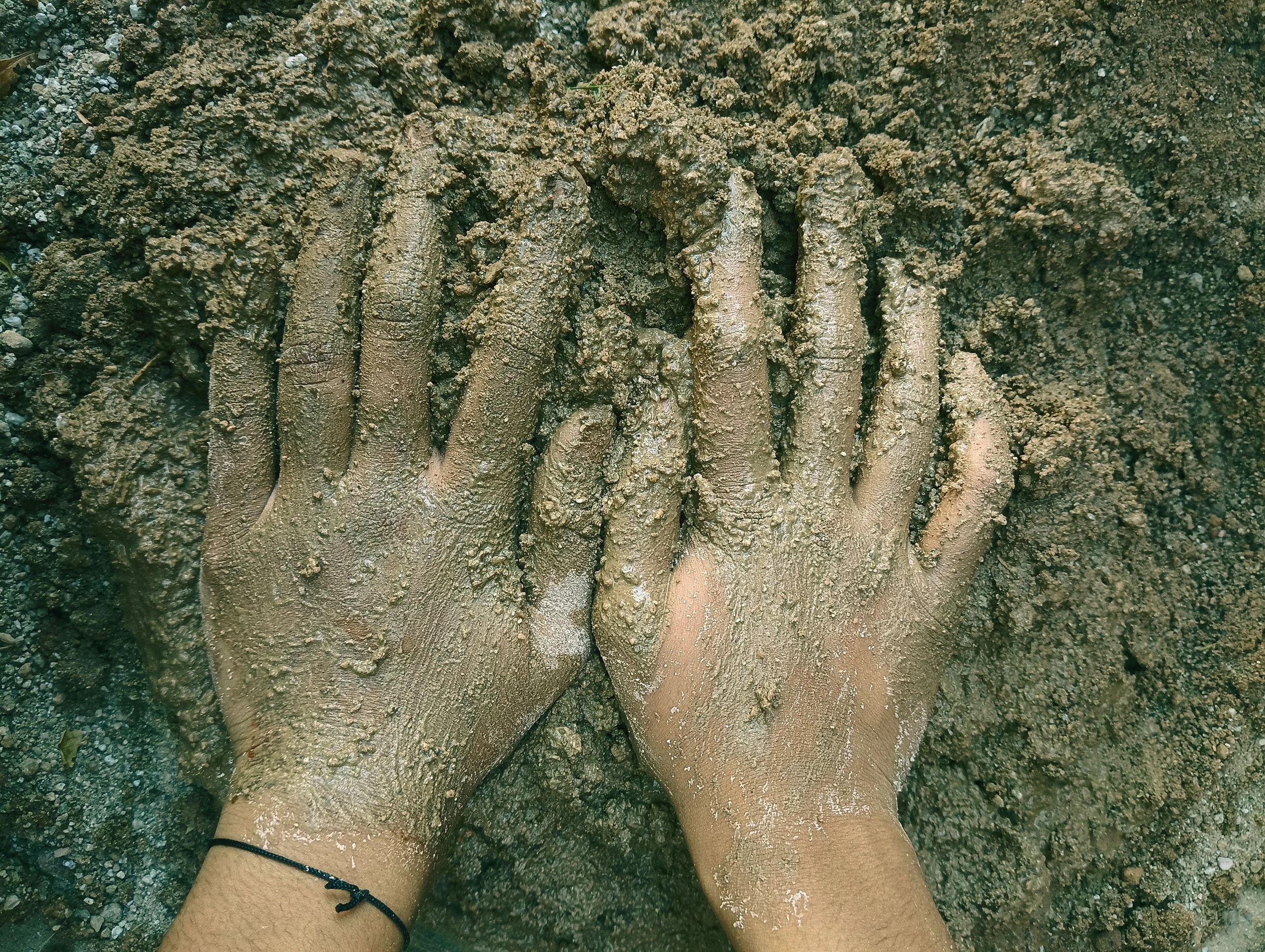
Scute 5: Dissolving the Skin-Boundary (Ecopsychosomatics) — Dissolve the skin-boundary to let the Earth’s creativity move through you. This framework recognizes the inseparable loop between our mental state (psyche), body & physical nervous system (soma), and the living Earth (eco). By treating the human system as a single unit integrated into the planet's rhythms, we engage in cellular therapy for the soul, releasing deep-seated trauma that logic alone can’t reach. (Rooted in Arvay’s Biophilia Effect and mention of Ecopsychosomatics and Saint-Val’s expressive arts framework).
Scute 6: Authentic Land-Engagement — Root your identity in the physical soil of a specific, lived geography. An Earth-based identity is a geographically situated reality. We develop a true Sense of Place by building direct, authentic relationships with the land through culturally respectful practices, intimately connecting our current physical existence to both the soils of our ancestors and the ground we inhabit today. (Rooted in Nightingale & Richmond’s land-based wellness, McGuire’s place-situated identity, and Baiz Soto’s Journey to Peace and Healing).
III. The Self in the Collective (C)
Focus: Kinship & Communal Integration
We repair the “I/We” relationship, remembering that an isolated turtle cannot survive without the rest of the ecosystem. Healing here is about finding our place in the social and ancestral web.
Scute 7: Anchoring Identity in Communalidad (Communality)— Surrender the isolated ego to find your strength in communal labor. Identity is fundamentally relational; the self exists only as part of a larger structure that includes the living, the dead, and the natural world. This scute focuses on Comunalidad (koh-moo-nah-lee-DAHD) through active co-labor—such as faenas (fah-eh-nahs)—where we prioritize the sustainability of the pueblo and the Earth to maintain an identity rooted in radical belonging. (Rooted in Urrieta’s research on Indigenous reflections of identity).
Scute 8: Expanding Role Repertoires (The Fluid Niche) — Embrace your fluid role within the ever-changing niche of the collective.Just as a healthy ecosystem requires both the tall canopy and the low ferns, our "biological utility" shifts as the needs of the collective web change. This scute utilizes Role Theory to help us discover our "counter-roles" and develop an internal guide to move fluidly between them. By discovering our ecological niche within the collective and by expanding how we exist in the world, we achieve a resilient identity that naturally transcends rigid capitalitst productivity roles and colonial marginization. (Rooted in Landy’s Role Theory and Ecological Niche Dynamics).
Scute 9: Facilitating Intergenerational Reconnection — Restore the bridge of wisdom between the energy of youth and the history of Elders. This scute restores the reciprocal flow of wisdom severed by colonial structures. By bringing generations together on the land to share place-based knowledge and language, we ensure that the history of Elders and the energy of youth work in tandem to sustain a living culture. (Rooted in Nightingale & Richmond’s studies on land-based wellness).
IV. The Alchemy of Trauma (A)
Focus: Decolonial Healing & Transformation
We address the historical wounds that keep us in a state of threat, transforming systemic and collective grief into radical endurance.
Scute 10: Processing Ecological Grief through Mnemotechnologies — Honor your grief for the Earth through ritual and active remembrance. Ecological alienation creates a profound grief that requires active mourning. Through mnemotechnologies (nee-moh-tek-NOL-uh-jeez)—cultural rituals, habits, and practices—we honor the reality of historical and environmental violence, remembering the trauma while releasing its paralyzing grip to transform the past into a honored history. (Rooted in Aydin’s collective trauma research and Saint-Val’s work on ecological grief).
Scute 11: Harnessing "Plastic Power" and Sublimation — Channel the raw energy of your wounds into creative, life-sustaining action. Trauma releases intense energy that can be redirected through sublimation. This scute focuses on "plastic power," the innate capacity to heal ruptures and recreate the self from adversity by channeling pain into constructive actions like art, storytelling, and community restoration. (Rooted in Nietzschean philosophy and Aydin’s cultural identity framework).
Scute 12: Practicing Sobrevivencia (Survivance) — Refuse the narrative of the victim and choose the radical joy of survival. We center our healing on sobrevivencia (soh-breh-vee-VEN-see-ah), reclaiming an identity defined by endurance, dignity, and the profound joy of everyday interactions with our community and the land. By choosing to thrive, we demonstrate that our vitality is fundamentally stronger than the systems designed to exhaust it. (Rooted in Urrieta’s concept of Survivance).
Scute 13: Dismantling the Colonial Gaze — Reject the colonial gaze and treat your Earth-based identity as a vital defense. To be truly porous to the Earth, we cultivate an "oppositional gaze" to critically assess and reject internalized colonial mentalities. By finding pride in Positive Deviance, we transform our refusal of destructive societal norms into a radical act of self-preservation and biological defense. (Rooted in bell hooks’s "Oppositional Gaze" and McGuire’s version of Deviance Regulation Theory).
FAQs
How is Eutierria Therapy different from traditional ecotherapy or forest bathing?While standard ecotherapy often uses nature as a scenic backdrop for relaxation, Eutierria Therapy is a decolonial, somatic framework that treats the natural world as an extension of your physical body, focusing on identity transformation, land reciprocity, and dismantling systemic burnout.
Do I need to be outdoors for every Eutierria Therapy session?No. While outdoor, land-engaged sessions are ideal, Eutierria Therapy also utilizes virtual telehealth, indoor somatic practices, and medicine-assisted integration (KAP) to ground your nervous system in Earth-centered frameworks.
What does "Eutierria" mean?Coined by Australian environmentalist philosopher Glenn Albrecht, Eutierria is an emotion word describing a profound, felt sense of oneness with the Earth, where the boundary between self and nature dissolves.
Healing Is An Embodied Experience
*
Healing Is An Embodied Experience *
Theory only takes us so far…Experience eutierria today!